Sent to the Wrong Network
If you've accidentally sent crypto to the wrong network, you're not the only one panicking. Whether you made an error while moving crypto between wallets or moving funds between aggregators, it happens to many of us. But before you despair, the outcome depends on one key factor: the nature of the destination address. Wallets you personally control follow different recovery rules from receipts at exchanges or payment gateways.
Same-key EVM Networks
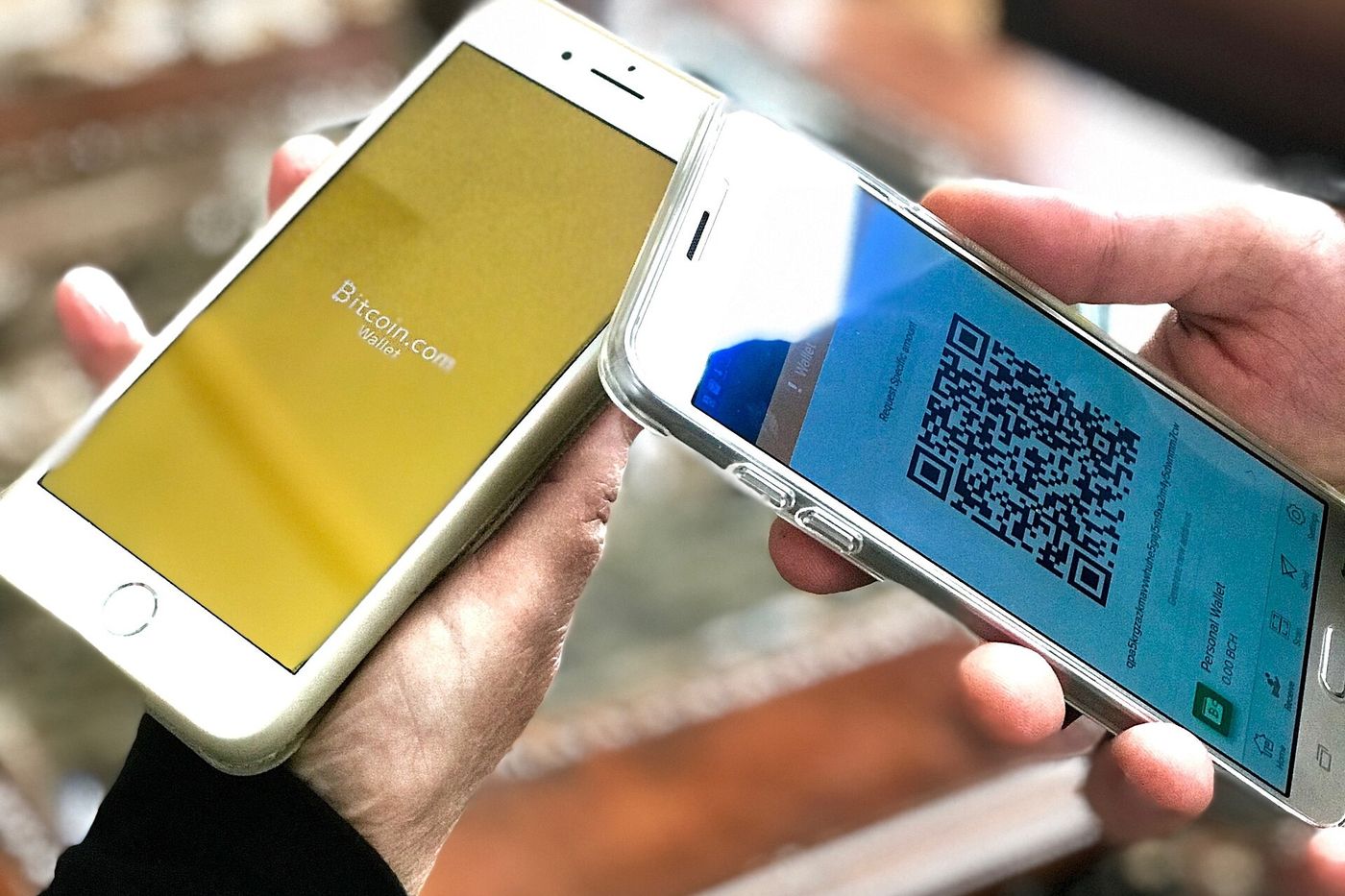
If the token you sent went to a token-based wallet you control on a network using the ERC address scheme, you have a strong chance of recovering your coins. Ethereum and Binance Smart Chain are classic examples using this scheme. These tokens share the same `0x` address style, giving you a recoverable path.
Web3Dojo explains that once you import the receiving address's seed phrase or private key into any wallet that's compatible with the receiving network, the funds should appear.
Here's the site-side process from Binance Academy:
- Open your wallet settings
- Find the section for adding networks
- Search for the name of the chain where your tokens appear
- Once loaded, your funds should show up
When an Exchange Can Help
Wrong-network recoveries are less straightforward for exchange deposit addresses, as there's no guarantee an exchange will recognise your token.
The resource confirms that while exchanges have started introducing a “wrong network” or “token recovery” service, that doesn't mean they will recover anything you send – .
Recoveries that do proceed, CoinJar adds, follow this path:
- You provide your transaction details to support, including the hash, receiving address and chain
- The company's engineers need to find the coins and bring them under the exchange's control
- They require your agreement to move the assets
- A fee and transfer time can be quoted
Binance Academy adds that you cannot directly recover the assets yourself, explaining that this manual effort from engineers is why exchanges don’t guarantee recoveries.
What to Send Support
If an exchange is involved, website-based recovery is less common, and more structured. Web3Dojo details the exact information you need to provide:
- Transaction hash
- Sending and receiving addresses
- Name of the chain the token landed on
- Amount sent
- Date and time of the transaction
Truly Lost Cases
But wrong-network transactions can result in permanent losses in some cases. If it is a token that's not built on the ERC, BEP, Polygon or related chain scheme, .
Similarly, if the receiving address is at an exchange that doesn't support the wrong-network chain, your funds are effectively lost because there's no equivalent of the private key.
Under such circumstances, Binance Academy confirms, the tokens can't be recovered.
Before You Send
In the future, a simple way to avoid wrong-network mistakes is to always check the deposit page first, not the sending address. Then, send a small test amount. Once that has landed as expected, you'll know the correct network for moving the bulk of your balance.
Such crypto should be sent to an address supporting the same network, simply taking care that you're putting the token in the right wallet, and that you remember which networks you configured.
General information, not financial, investment or tax advice. Rules, fees and allowances change: check the figure with HMRC, the FCA or the service itself before you act.