Provably Fair Explained
A crypto casino sporting a "provably fair" badge lets a player check a dice result is generated correctly, using a specific cryptographic proof - but does not guarantee anything about the odds offered, the house edge, or the casino's overall fairness.
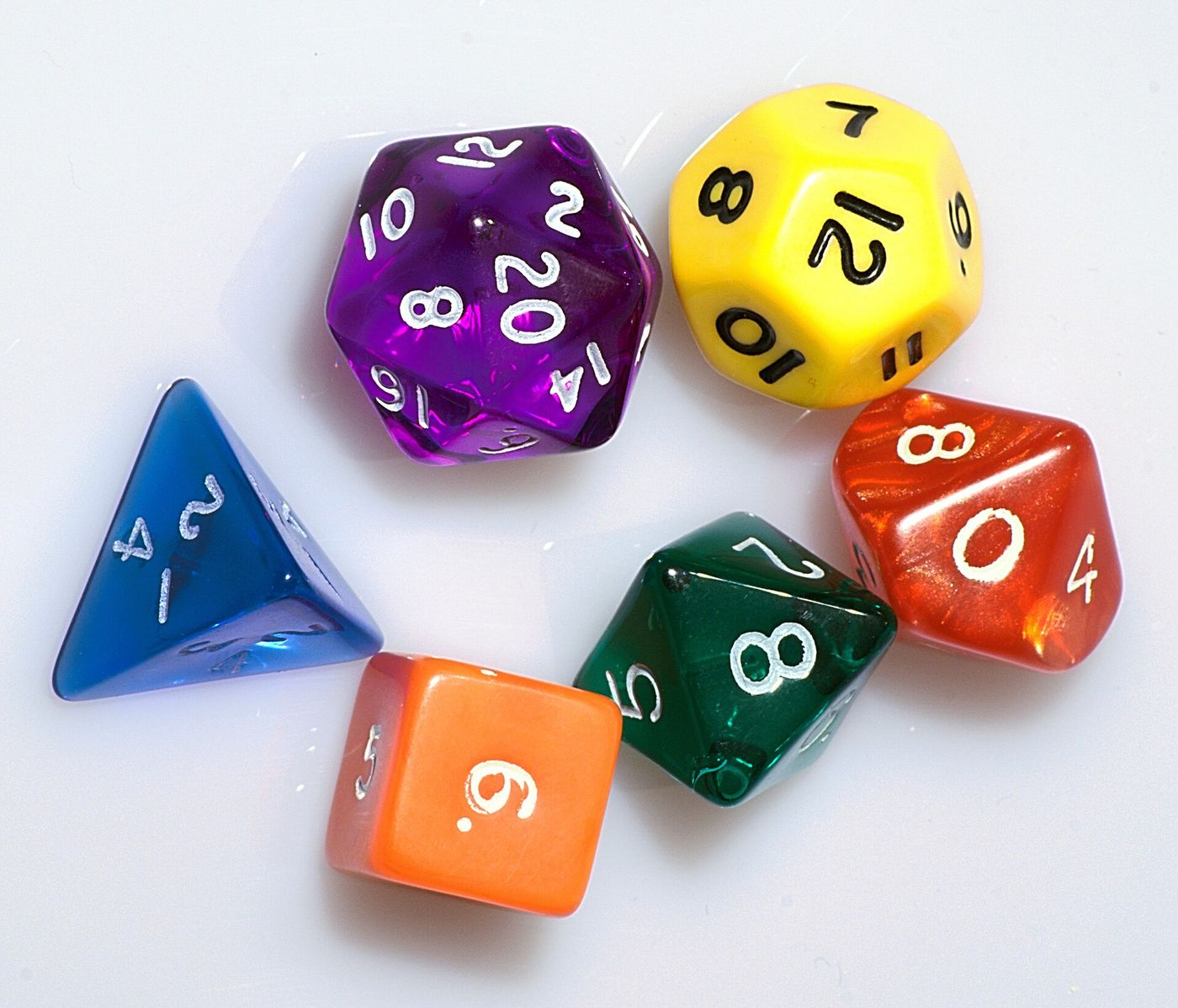
If you notice a provably fair badge at some crypto casinos, . But the protective guarantees are specific, and don't prove every aspect of fairness.
What the "provably fair" badge promises
If you've saved the client seed and nonce, page refreshes, or re-open the game, you can paste the newly revealed server seed, and use any guided provably fair tool from some verification tools to prep the dice rolls. After you play, you can use one of these tools to re-run the random number generation in the same way. If the outcome matches, your results are what the operator claims to be. This is called the "commitment".
How to verify a dice roll outcome
After the roll, pay close attention. The operator will reveal its full serverSeed. Once it does, pause the game. You'll need three pieces of information:
- Server seed - The full server seed revealed after you roll, shown in hexadecimal.
- Client seed - You supply this yourself, before the roll. Pick something cryptographically random.
- Nonce - the bet count in the current server seed cycle.
Copy these three pieces from the dice game's fairness panel. Once you have all three, . Paste in the details.
Then select the verification type and paste in the result from your game. Press verify. You can be sure the outcome was generated with the inputs you specified.
What the check proves - and what it does not
The objective proof is straightforward: the input you specified has created a particular numeric outcome, which matches the rolls in the games. Provably fair's cryptographic proof does not say anything about the game's history, whether the odds are as presented, or the operator's overall legitimacy.
You cannot, apart from verification, see the games as a whole, or whether the odds are rigged. Provably fair protection doesn't prove payout policy or whether a site is keeping its promises in any area - or that you will get paid. That is offline and outside the scope of "provably fair". And there is zero legal or regulatory guarantee attached.
Formulas vary
The provably fair standard does not dictate the exact math everywhere. While the shared construction is similar, the HMAC, random number extraction, and the final output conversion are all site-specific.
For example, a common format is HMAC-SHA256(serverSeed, "clientSeed:nonce").
Some operators use complex formulas to convert the output into a result.
What to check first
Different casinos will explain this differently, and whenever you spot a dice game with "provably fair", you have to look up its specific protocol, by looking at the casino's website whenever you start.
Don't be fooled into assuming that because one casino with a die uses this formula, all others will. Take your time. Even the seemingly simple step of copying seeds and numbers has different exact methods. Commit to reading the documentation before rolling.
Save your client seed and nonce. Calculate the result when you're offered it, . Once you know the full process, it's not difficult to see whether the casino has honors its provably fair claims.
Sometimes it can be worth looking for a video walkthrough from an operator, especially if the operator uses their own unique verifer.
General information, not financial, investment or tax advice. Rules, fees and allowances change: check the figure with HMRC, the FCA or the service itself before you act.