Passing On Crypto Wallets
When it comes to crypto inheritance in the UK, access is everything — and the key distinguisher is between assets held on an exchange platform, and those self-custodied in a personal wallet. While the assets themselves, whether held in a bank, an exchange, or a private wallet, form part of your estate and need to be accounted for, what you can't access will be lost.

Exchange Accounts: The Recoverable Case
For crypto held on an exchange, the process is closer to recovering a bank account. Major crypto exchanges have formal procedures to release funds when the account holder dies. Executors of a deceased person's estate will typically need a death certificate and "a grant of probate" before the exchange will release any funds to the estate.
There is no blanket limit on how much crypto can be inherited without Inheritance Tax (IHT) implications: what matters is the total size of the estate, not just the crypto component.
Self-Custody: The Unrecoverable Case
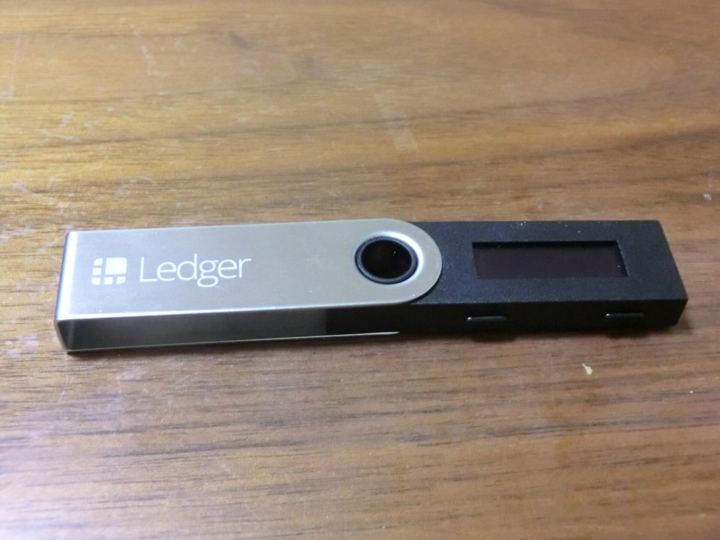
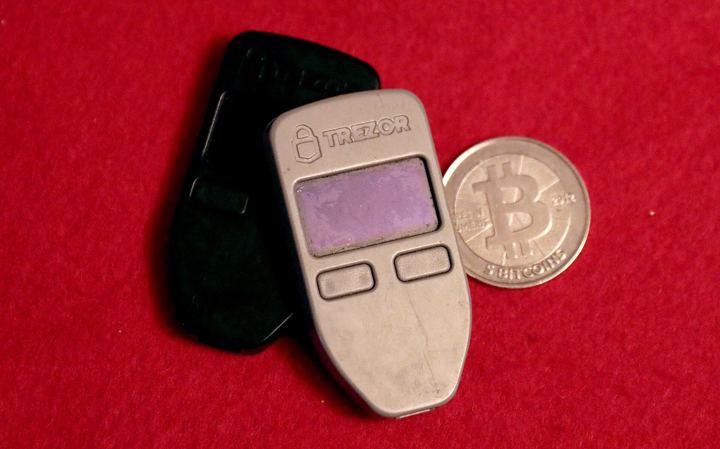
Where crypto is self-custodied, the stakes couldn't be higher: access is entirely dependent on the holder. The truthful answer is that if no one has the seed phrase to access a lost wallet, the family cannot otherwise move or monetise the asset. HMRC guidance says "the cryptoasset will form part of the deceased person's estate for Inheritance Tax purposes". But if the keys are lost, this asset may be lost.
Cryptoassets held with a third-party provider, such as a crypto exchange, can be accessed in the usual way by the deceased’s executors "through the provider’s bereavement process". But if an asset is not recoverable from an exchange, regardless of the estate's IHT treatment, the conclusion is clear: it's lost through lack of access.
Inheritance Tax and the Estate
Note that IHT allowances can depend on how long the money was in the estate and if married. The inheritance of these funds and other assets will be subject to probate.
What to Prepare Now
The bigger your crypto holdings, the more unforgivable it will be to underestimate the importance of digital estate planning. Important steps include:
- Compiling a list of personal and legal tools
- Identifying all sources and re-sources of cryptoassets
- Consulting with financial advisors, HMRC, or other partners
- Enhancing control, ease of use and contact management
What Executors Will Need
Once a grant of probate has been issued, the executors can:
- seek a full handover from all platforms
- request payment
A key step will be to inform all known crypto providers and ensure the correct person receives the assets.
Closing: What to Do First
When planning the life cycle of cryptocurrency, those steps should be taken to help the executors as much as possible. All known crypto providers should be informed and guided to help the family-insiders in their time of need. The executors find out how to make payments and secure the handover.
General information, not financial, investment or tax advice. Rules, fees and allowances change: check the figure with HMRC, the FCA or the service itself before you act.