Web3 & Gaming · Partner content
What Casino Players Can Learn About Risk Management from Farmland Token Investments
Casino play and investing look very different on the surface. One is a game with chips and tables. The other is a market with charts and tokens. Yet both face the same core problem: risk. In casinos we call it variance. In markets we call it volatility. In both places, the person who survives is the one who sets limits, sizes each bet well, and keeps a clear head. This guide shows how simple bankroll ideas from casino play map to farmland token investments step by step.
What Are Farmland Tokens?
Farmland tokens are digital units that represent a share of real farmland or cash flows from that land. You do not farm the soil yourself. A platform or operator manages the land. Your token is a small slice of that real asset or of the revenue it may produce. Returns can come from land value going up, rent or crop revenue, and any market price change of the token.
Key points to check:
- Legal wrapper: What does the token legally give you? A share, a note, a revenue right?
- Operator record: Who runs the land? What is their track record and audit history?
- Fees and spreads: Platform fees, custody fees, and trading spreads reduce net return.
- Liquidity: Can you sell when you want, and at what price impact?
- Regulatory risk: Laws can change and affect tokens and platforms.
- Smart-contract risk: Code can fail. Use strong custody and security practices.
If you want neutral primers, see the BIS overview of tokenisation, a plain guide to volatility, and the Investor.gov safety basics.
Variance vs. Volatility: Same Idea, New Words
Casino variance is the natural swing of results around the expected value. Investing volatility is the size of price swings around a trend. Both can feel scary in the short run. The lesson is simple: swings are normal. Plan for them before you “sit down.”
- House edge in casinos is like the fee stack in markets. It is a quiet cost that compounds over time.
- Hot streaks and cold streaks in casinos are like bull and bear phases in markets. Do not overreact to either.
- A session in casinos is like a holding window in tokens. Define it up front so you can measure results fairly.
Bankroll Management → Position Sizing
In casinos, you choose a base bet and a max loss. In investing, you choose a position size and a max drawdown per asset. The logic is the same: small, steady bets keep you in the game; big bets can end the game fast.
- Percent rule: For higher-volatility assets, many players keep any single position to a small slice (for example, 1–5% of total capital). You can adjust based on your risk tolerance.
- Max loss per position: Decide in advance how much you are ready to lose on a single token if the thesis fails (e.g., 30–40% of that position). Write it down.
- Scale in, do not chase: Add in stages after new facts, not just price moves.
If you want to see clear bankroll ideas explained in simple words, study an online casino guide and look for sections on variance, RTP, and table limits. The same logic—small edges, long runs, and good limits—applies when you size token positions.
Game Selection → Asset Selection
In casinos you pick games with rules you understand and with a lower house edge. For farmland tokens, you screen projects with a simple checklist:
- Title and ownership: Is the land title clean? Is there independent verification?
- Operator quality: Years active, prior exits, audits, and third-party reports.
- Yield transparency: How are rent or crop revenues calculated and paid?
- Fee stack: Platform fee, management fee, trading fee, custody fee—sum them.
- Liquidity depth: Average daily volume and spread. Can you exit at a fair price?
- Governance: How are key decisions made? Do token holders vote?
- Legal and tax: What jurisdiction? How are payouts taxed for you?
Use trusted education sources when you review these points. For example, CFA Institute articles on tokenization discuss structures and risks, while the IOSCO crypto-asset policy work covers market integrity and investor protection themes.
Session Limits → Risk Limits
Great casino players set session limits before the first hand. You can do the same with tokens:
- Daily/weekly loss cap: Example: If weekly equity falls by 5%, stop new buys and review why.
- Cool-off period: After a big loss or win, wait 24 hours. Let emotion settle.
- Pre-commitment: Define exit rules for thesis breaks (e.g., operator audit fails, rent cut, legal change).
These rules protect you from the most common error: making a big, fast change under stress.
Odds & RTP → Expected Return & Drawdown
RTP (return to player) helps you judge a casino game. In tokens, build a simple expected return model. Use base, bear, and bull cases. Write realistic inputs for yield, fees, and price moves. Update the model when facts change.
| Case | Assumptions | Net Return (est.) | Notes |
|---|---|---|---|
| Bear | Rent down 10%, token price −20%, fees unchanged | −10% to −25% | Liquidity may widen spreads |
| Base | Stable rent, token price flat, normal fees | +2% to +6% | After all fees and custody |
| Bull | Rent up 5%, token price +15% | +10% to +20% | Depends on market depth |
To understand why drawdowns hurt so much, read a short primer on drawdown and how it compounds losses. Small, steady returns with low drawdowns often beat big, jagged returns over time.
Tilt Control → Decision Discipline
In casinos, “tilt” means emotion takes the wheel. In markets, we see the same reaction: chasing a spike, doubling down on a fall, or breaking the plan. Beat tilt with tiny habits:
- Two-list method: Keep one list for research and one list for orders. Do research when markets are closed. Place orders only during your planned window.
- Written playbook: For each token, write the thesis, entry range, size, and exit rules. Keep it to one page.
- Post-trade notes: After each trade, write one line: “What did I feel? Did I follow the plan?”
Bankroll Segmentation → Portfolio Buckets
Casino players often split money into a base roll and an action roll. Do the same for your portfolio so one wild bet does not sink the ship.
- Core (50–70%): Diversified, lower-risk assets that you hold for long periods.
- Satellite / Experimental (10–20%): Higher-vol ideas like farmland tokens. Small sizes only.
- Cash / Buffer (10–30%): Dry powder for new chances or for living needs.
Rebalance on a schedule (for example, quarterly) or when a bucket drifts by more than 20–25% from its target. Rebalancing forces “sell high, buy low” behavior over time.
Security & Custody: Chips vs. Keys
At a casino, you guard your chips. In tokens, you guard your keys and your identity. Follow basic rules:
- Turn on two-factor authentication (2FA) for all accounts.
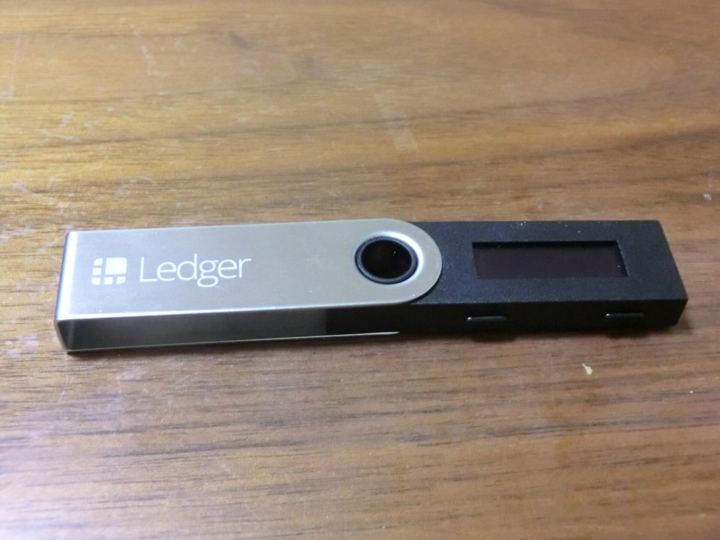
- Use a hardware wallet or well-reviewed custodial service you can verify.
- Keep seed phrases offline. Never share them. Beware phishing.
- Check contract addresses from official pages, not from random links.
For a simple security checklist, see the CISA “Secure Our World” tips and the NIST Cybersecurity Framework overview.
Start Small: A Step-by-Step Mini-Plan
- Write your rules: Risk per position, max weekly loss, and cool-off period.
- Research three projects: Use the due-diligence checklist below.
- Paper draft: Build a one-page model per token with base/bear/bull cases.
- Pilot size: Start with 1–2% per token. No leverage. No averaging down on emotion.
- Weekly review: Update facts, not feelings. If the thesis breaks, exit.
- Scale carefully: If facts improve and rules hold, add in small steps.
Due-Diligence Checklist (Print This)
- Legal wrapper and jurisdiction are clear and verified.
- Land title documentation and third-party checks exist.
- Operator has multi-year record and independent audits.
- Yield math is transparent (rent, costs, timing, taxes).
- Fee stack listed in one place with examples.
- Liquidity depth and typical spread are visible.
- Smart-contract code has audits; repository is current.
- Clear process for payouts, redemptions, and disputes.
- Risk factors and scenarios are disclosed in plain language.
FAQs
How do casino bankroll rules translate to investing?
Think in percents, not absolutes. Keep each position small (for example, 1–5%). Set a max loss per position. Use a cool-off period after big swings. Review weekly, not daily. These simple rules lower the chance of ruin.
What are the main risks of farmland tokens?
Legal and regulatory risk, operator risk, fee drag, liquidity gaps, smart-contract bugs, and market swings. Read disclosures and verify the legal rights tied to the token.
How much should I allocate to high-volatility assets?
Keep it small and inside a clear bucket, like 10–20% of the portfolio for all “experimental” ideas together. Within that bucket, size each token at 1–5% and rebalance on a schedule.
Are farmland tokens passive income?
Income may come from rent or yield, but it is not guaranteed. Fees, market price, and downtime can cut payouts. Always check the legal wrapper and the payout rules.
How do I avoid “tilt” when markets fall?
Follow your written plan. Use a cool-off rule (wait 24 hours). Do research when markets are closed. Place orders only in your planned window. If your thesis breaks, exit without drama.
Responsible Gambling & Investor Protection
If gambling stops being fun, seek help. See GambleAware and GamCare for tools and helplines. For investor protection and fraud warnings, visit Investor.gov and your local regulator’s education pages. Stay safe online and keep your capital and identity protected.
Conclusion: Keep the Edge by Managing Risk
You cannot control variance at the table or volatility in markets. You can control your size, your limits, and your discipline. Start small, write clear rules, and stick to them when the heat rises. The same simple habits that protect a casino bankroll can also guide farmland token investing. Protect the downside first, and give the upside time to work.