Web3 & Gaming · Partner content
Token-Gated Tournaments: VIP Access via NFT Ownership

The room is loud. Check-in starts. Your VIP bracket is live in five minutes. Only people who hold a set NFT can enter. In the first hour, three things break: bots try to swarm the gate, two real users cannot prove they own the pass, and your mod team asks if KYC is needed for prizes in one region. You have to fix this now, with clear steps, not hype.
This guide shows how token-gated tournaments work in real life. You will see what to build, what to buy, where risk sits, and how to launch in two weeks. The tone is plain. The tips are field-tested. Use what fits your stack and your laws.
What “Token‑Gated” Actually Solves
Token gating gives access based on proof of asset ownership in a wallet. It is simple: “Show me the token, get the door open.” This beats codes and lists. Codes leak. Lists go stale. Tokens can be checked on-chain, fast and clear.
It also helps segment members. You can give VIP to holders, early perks to OGs, and guest slots to people with a POAP. You can change rules in code. You can stop many kinds of fraud. It is not magic. But when done well, it is strong and fair.
One small case: a team ran a promo with email codes. Bots took 40% of the slots. The next month they used an ERC‑721 pass. They did a live on-chain check. The bot hit rate dropped to under 5%. Support tickets fell by half. Same crowd size, less noise.
- NFT: a token that shows unique ownership. See what an NFT is.
- Wallet: an app that holds keys and signs messages.
- ERC‑721: a standard for one‑of‑one NFTs. Read ERC‑721.
- ERC‑1155: a standard for semi‑fungible or batch NFTs. See ERC‑1155.
- Soulbound: a non‑transfer NFT for identity or proof.
- POAP: a proof‑of‑attendance token.
- Allowlist: a preset list of wallets, often via Merkle proof.
- On‑chain vs off‑chain: live chain reads vs cached data in your DB.
Field Note: Running a VIP Bracket with NFT Passes
We set a gate: “Hold the VIP Pass (ERC‑721) to join.” We read the user wallet, checked the contract, and logged the match entry. First try, the read was slow. We fixed it by caching token IDs and balances. We kept a live fallback in case the cache went stale.
For quick checks, we pulled token data through the Etherscan API. For scale, we added our own index using indexing with The Graph. This cut load time and stopped timeouts in peak play.
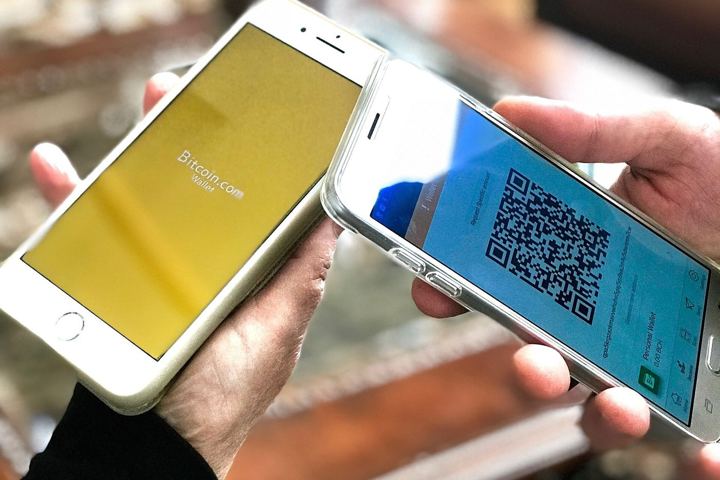
We also set a clear wallet flow. Users signed a message to prove control. Then we showed a short guide on seed safety and phishing, with a link to wallet safety. Help tickets on “stolen pass” dropped after that.
Bots tried to snipe the queue. We slowed first joins, added a human‑time delay between checks, and set rate limits per IP and per wallet. A small “appeal” form helped real users who failed the gate due to lag or chain hiccups.
Quick Checklist (what broke and what fixed it)
- Slow checks → Add cache, set a live fallback, monitor misses.
- Fake holders → Verify on-chain, match token contract, block spoofed chains.
- Bots → Rate limits, queue delay, device fingerprint, mod eyes at launch.
- Support load → One‑page wallet safety guide, clear FAQs, simple appeal path.
Token‑Gating Methods vs. Real‑World Use
| ERC‑721 (one‑of‑one) | On‑chain read, signed message | VIP brackets, rare passes | Clear proof, simple rules | Resale flips access fast | KYC may apply for cash prizes | OpenZeppelin, The Graph |
| ERC‑1155 (batch) | On‑chain balance check | Tiered access, ticket bundles | Low gas, flexible supply | More edge cases to test | Region locks may be needed | OpenZeppelin |
| POAP | Cached index + spot check | Community events, meetups | Fast, cheap, friendly UX | Easy to farm if not careful | Good for low‑risk perks | POAP |
| Soulbound token | On‑chain + DID link | Age gates, identity tiers | Non‑transfer, stable trust | Privacy and UX are hard | Strong data duties (GDPR) | DIDs |
| Allowlist (Merkle proof) | Signature + proof verify | Pre‑set VIPs, partner lists | Fast, gas‑free for users | List drift if not updated | Must log consent and rights | token gating, Guild.xyz |
Note: This table is for information only. Not legal advice.
The Two Hard Problems: Identity and Fairness
Identity is simple until cash or age limits appear. If your event pays out real value, you may need KYC/AML steps. See the NIST Digital Identity Guidelines for levels of proof. Map your risk first: size of prize, user country, and fraud cost. In low‑risk fun runs, a wallet may be enough. In high‑stakes play, add checks.
Can a soulbound token replace KYC? Maybe for trust inside one game world. But it will not meet many legal rules yet. You can link a DID to a wallet for soft trust. See Decentralized Identifiers (DIDs). Still, for money out, most hosts need real ID checks.
Fairness is the other rock. Stop bots and Sybil attacks early. Use rate limits, device checks, and human review at peak. Cloud tools can help. Read about bot management. Leave time gaps between entries, cap retries, and flag mass joins from one source.
Mini Q&A: - Do I need age gates? If prizes have value or if local law says so, yes. - Can I block multi‑accounts? Not all. But you can raise cost with checks and delays. - Should I log denials? Yes. You need a trail for appeals and audits.
Build vs Buy: Tooling Stacks That Actually Work
Start with the flow: wallet connect → signed message → token check → grant access → log. Keep reads cheap. Cache smart. Refresh often. Store only what you must. Keep PII out if you can.
On the contract side, lean on battle‑tested code like OpenZeppelin contracts. If you need time‑locked tiers, write small, clear modules. Add events for easy index and audit. Avoid fancy proxy logic unless you must upgrade live.
For access control without heavy lift, look at Unlock Protocol. It lets you mint passes and set gates fast. For community roles in chat or guilds, see token gating by Collab.Land or Guild.xyz. These can mirror the same rules in your site and Discord.
For reads, mix on‑chain proof and off‑chain cache. Build a small API that checks the cache first, then the chain if needed. Sign your server calls. Add rate limits. Log hits, misses, and errors. This keeps UX smooth on peak days.
Audit trails matter. Log wallet, token ID, time, and rule that let the user in. Hash what you can. If you add KYC, split that store and lock it down. Limit staff access. Rotate keys. Test restore from backup.
Compliance and Risk Map (Jurisdictions, NFTs, and Gambling)
Rules change by country. If users pay to enter and can win money, some laws may see your event as gambling. Read broad risk views like the FATF guidance on virtual assets. Then check your local law. If you are in doubt, speak to a lawyer.
Esports and “skins” can also cross lines. The UK has a clear page on risks. See the UK Gambling Commission guidance on esports and skins. Many places ask for age checks and strong rules against match fix and underage play.
Data care is key. If you hold any ID data, you must meet laws like GDPR in the EU. Tell users what you store and why. Keep it as short as you can. Set a clear delete path. Log consent.
Also set a safer play plan. Link to help tools. Train mods to spot harm. Share limits and cool‑off tips. A good place to start is safer gambling advice.
Case Notes (Short, Useful)
Community Cup with POAP
A small league gave entry to holders of a POAP from past meets. It was cheap and smooth. They cached IDs, then spot‑checked random users on-chain. See POAP for ideas. Lesson: great for fun runs, not for cash stakes.
High‑Roller Night with Staked Pass
A studio let users stake a VIP pass to join a high‑tier room. No “yield” talk, just access. They used a time lock to stop quick flip abuse. Lesson: tie time, not price, to the perk.
Clear Rules, Less Drama
Public, short rules help. One team liked the style of the tournament rules at Zed Run. They wrote their own in that short, plain voice. Disputes went down.
Metrics That Matter
Good token gating is not “set and forget.” Track the funnel. Start with: connect rate, signature success, token check pass, join complete. Watch fail points and time per step.
Key KPIs: - Conversion to verified wallet = verified wallets / connects. - Holder join rate = joins / holders seen. - Bot‑hit ratio = blocked joins / total join attempts. - Dispute rate = disputes / matches. - Chargebacks or clawbacks per 1,000 payouts. For market context, review independent NFT market data to plan supply and tiers.
Set targets you can defend. Example: bot‑hit ratio under 5%, dispute rate under 1%, signature success over 95%. If you miss, fix the step, not the user.
Ship It: A 14‑Day Launch Plan
Day 1–2: Map rules. Pick token standard and supply. List target regions. Note KYC need by prize size.
Day 3–5: Wire the wallet connect. Add signed message. Stand up chain reads. If you need a fast RPC, set up Infura or a node you trust.
Day 6–9: Build cache and rate limits. Add bot checks. Draft appeal flow. Write short rules and a privacy note. Prep a wallet safety page.
Day 10–12: Load test. Try peak rates. Kill bad paths. Add logs and alerts. Dry run mods on “what if” cases.
Day 13–14: Soft launch to a small holder group. Watch metrics live. Fix. Then open wide. Keep an on‑call list for the first 24 hours.
Where to Find Vetted Platforms and Real Reviews
Do not pick a platform blind. Check how they handle KYC, how fast they pay, how they treat disputes, and how fees change. Read reviews that test real flows, not just list features. If you run crypto‑friendly events in LATAM, and you also compare bonus terms for local players, an up‑to‑date hub can help. For Chile, one useful resource that tracks payout speed, fees, and VIP terms is bonos exclusivos casinos online CL. Use any review site as a start, not the final word. Always check your local laws and age rules.
FAQ
Are token‑gated tournaments legal in my country?
It depends on entry fees, prize type, and where you and users live. If money is in play, you may face gambling rules. Check local law. When unsure, get legal advice.
Do I need KYC if access is only via NFT?
If you pay cash or cash‑like value, many places say yes. If it is a free, low‑risk event, a wallet check may be enough. Map risk, then choose.
Which wallets are supported?
Start with major EVM wallets. Keep the flow simple. Test mobile deep links. Add a guide on seed safety and scams.
Can a POAP be enough for VIP access?
For fun perks, yes. For high value perks, it is weak. Add extra checks or use a pass with stronger rules.
How do I prevent bots?
Rate limits, queue delays, device checks, and human review at launch. Watch patterns. Ban fast and log why.
What if a holder sells the pass after joining?
Set a rule: access is locked at join time. Check again before prize payout. Log both checks.
Closing note
Start small. Ship a clear gate. Watch the data. Fix weak links. Token‑gated access can be fair, fast, and safe when you treat identity, bots, and law with care. Before you go live at scale, read neutral reviews, test payouts, and keep users safe.
Compliance and care
This article is for information only. It is not legal, tax, or financial advice. Check local law and age rules before you launch. If your event has wagering or cash prizes, use age checks and safer‑play controls.
Author and updates
Prepared by our web3 gaming editorial team with input from tournament operators and security reviewers. Updated: July 3, 2026.