Web3 & Gaming · Partner content
Risk Management Hedging Volatility for Crypto Bettors
Cold open: Sunday night whipsaw
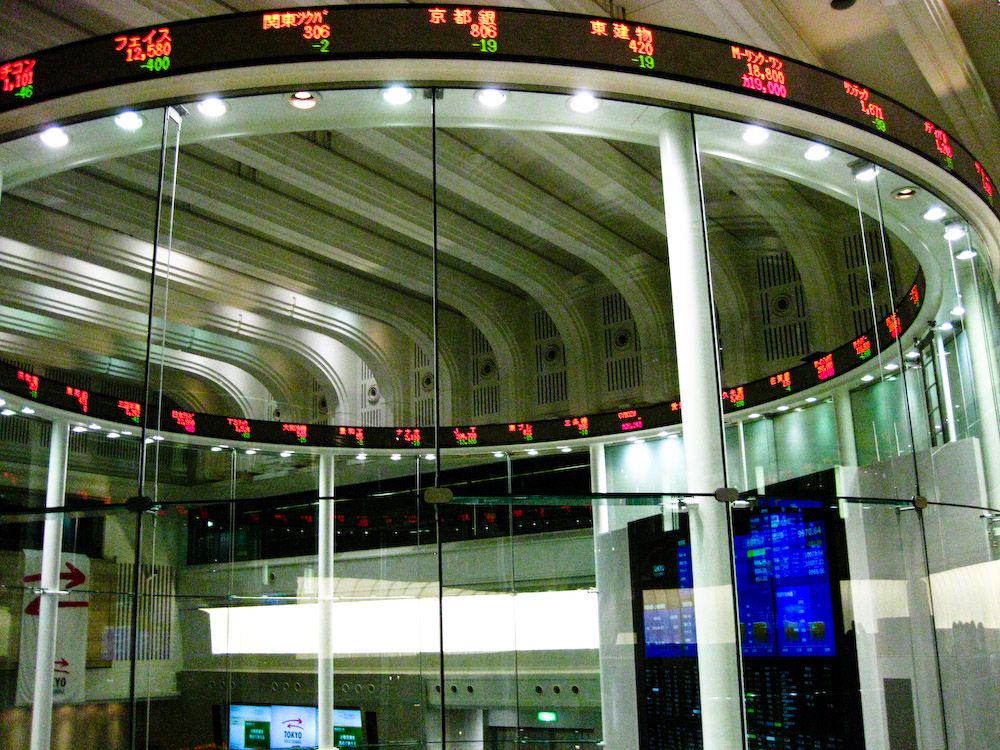
It is late on Sunday. Lines look fine. Your pick is live. Then BTC moves 7% in an hour. Funding flips. Spreads widen. The odds did not change much. But your bankroll did. Your stake was in BTC. Now the base price is lower. Your risk went up while you slept.
This is the core problem. The bet has one risk. The coin price has another. They stack. This guide shows how to cut that stack. The goal is not to win more. The goal is to lose less when the market shakes. We keep words simple. We keep steps clear. We use tools that most bettors can use today.
Why volatility punishes bettors more than traders
Traders can close a trade at any time. They track PnL minute by minute. Bettors cannot. A bet locks in until the event ends or a cash-out is offered. Price moves in your coin do not care about your bet. If your stake, limits, or payouts sit in BTC or ETH, your risk rides on two rails: the game and the coin.
Crypto also swings with stocks at times. That adds macro risk you did not ask for. For a plain view on how crypto correlates to broader risk assets, see the IMF blog. Big rate news, CPI days, or liquidity shocks can hit prices while your bet is open. The Bank for International Settlements tracks the bigger picture too; see their brief notes on the macro risks of crypto volatility.
Hidden exposure hurts
- If you hold a bankroll in BTC and bet in BTC, you wear BTC risk 24/7. A 10% drop erases 10% of unit value even if your picks are solid.
- If a site pays in a different coin than you stake, you add FX risk. This can flip a small edge into a loss.
- Cash-outs can be slow when gas fees spike. Slippage at peak hours can chew more than fees show.
Field notes from high-vol weeks
- Note 1: On a week with three 5% intraday swings, a simple move to a 50/50 stablecoin mix before big games cut bankroll drawdown from 12% to 4%. The picks were the same. Only the coin risk dropped.
- Note 2: Gas fees tripled in a four-hour window. A planned top-up got delayed. A small hedge set the prior night offset the coin drop. The hedge cost 0.5% in funding. The unhedged loss would have been 6%.
- Note 3: A book raised withdrawal limits for KYC checks mid-week. This is rare but real. See the FCA’s plain guide with consumer warnings on cryptoasset risks. Operational risk is part of bankroll risk.
The hedge menu: tools you can actually use
Hedging is not magic. It moves risk from one place to another, often for a cost. It can make results smoother when done with a plan. If you want a formal take on what hedging actually means in practice, the CFA Institute has a good base primer.
Hedge Menu at a Glance
| Protect bankroll unit value | Stablecoin basket (USDC/USDT/DAI) | Hold most funds in a mix of stables; move in and out for bets | Low. Exchange fees, on-chain fees | High-vol weeks; before large events; before withdrawals | Bankroll 2 BTC → swap 80% to stables; keep 20% BTC for live plays | De-peg risk; counterparty risk; gas spikes |
| Hedge BTC price during an open bet | Perpetual futures short vs BTC | Short equal notional to your BTC stake | Funding rate; fees; slippage | Short-term cover (hours to days) | Stake 0.2 BTC on a match → short 0.2 BTC perps until result | Liquidity; spread widening; funding flips |
| Cap downside for a known window | Vanilla options (protective put) | Buy a put near current price for the event window | Upfront premium; time decay | Before big news; thin books; weekend gaps | Buy 1-week BTC 5% OTM put to cover a midweek slate | Premium loss if price does not drop; vega risk |
| Match timing of risk | Calendar hedge | Use futures/forwards that settle near the event end | Basis; roll cost | When your bet ends on a set date | Bet ends Fri → use a future that settles Fri | Mismatch if event delays; basis shift |
| Lock gains in steps | Partial cash-out ladder | Take small cash-outs at preset levels | Cash-out margin; withdrawal fees | After sharp moves; when odds swing your way | Cash out 25% at +30%, 25% at +60%, rest at end | Missed upside; policy changes at the venue |
Perpetuals are common, but they come with funding and spread risk. If you want a quick base on hedging with listed bitcoin derivatives, CME’s education pages are clear. Options can cap downside for a set cost. To learn the moving parts like delta and vega, see options Greeks and hedging basics from OCC.
Position sizing that survives bad weeks (a tiny worksheet)
Most blow-ups start with size, not picks. A simple sizing rule helps more than a clever hedge. Many bettors use a cut-down form of the Kelly rule. Full Kelly is often too bold for crypto. Fractional Kelly is safer.
- Step 1: Define your bankroll B in a base unit (USD or a stable mix).
- Step 2: Estimate your edge e for this market. Be strict; round it down.
- Step 3: Estimate odds and variance. Compute a raw Kelly k_raw. See a clear explainer of the Kelly criterion explained with caveats.
- Step 4: Cap size. Use k = min(k_raw, cap). Set cap at 10%–20% of bankroll for any one bet, then cut to 2%–5% in high vol.
- Step 5: Add a weekly loss limit L at 3%–5% of B. If losses hit L, stop for the week.
- Step 6: When vol jumps, cut k in half. When vol falls, raise slow. Follow basic NIST risk assessment principles: identify, measure, then act.
Mini example: Bankroll B = $10,000 in stables. Raw Kelly says 4%. You cap at 2% due to high vol. You bet $200 per pick. You set L = $400 for the week. BTC drops 8% mid-week. Your bet sizes stay in dollars, so your risk stays stable.
Two mini-playbooks
Short-term hedge for a live line
- Map your coin risk. If your stake is 0.15 BTC, that is your notional.
- Set a time box. Cover from bet place to event end (say 36 hours).
- Open a short in perps equal to 0.15 BTC. Use a limit order to cut slippage.
- Post extra margin. Aim for 2–3x the needed margin to avoid forced close.
- Monitor funding each 8-hour window. If funding turns costly, weigh a smaller size or a closer stop.
- Close the hedge at event end or cash-out. Do not hold it “just in case.”
Signal check: shaky on-chain flows can hint at stress. A quick scan of on-chain data around market stress can give context on flows and risk.
Bankroll preservation for the long run
- Split wallets: 70% core (stables), 20% risk (BTC/ETH), 10% ops (gas and fees).
- Rebalance each Friday. If BTC mooned, trim back to plan. If BTC fell, do not rush to add. Keep rules steady.
- Use a ladder for cash-outs. Take small wins at preset marks to reduce exposure before weekends.
- Match dates. If a big slate ends on Sunday night, avoid coin exposure past that time.
- Track slippage and fees. If fees rise above 0.8% per week, tighten size or move to cheaper rails.
For a broad view of sector trends and venue mix, the global cryptoasset benchmarking study by Cambridge CCAF is useful. It shows how markets and rails evolve. That helps you plan rebalances and venue choice.
What to stop doing this month
- Stop sizing in coins when your life costs are in fiat. Size in dollars or stables instead.
- Stop rolling bets through major macro prints if you do not hedge the coin.
- Stop adding to losers “to get back to even.” Set a loss limit and keep it.
- Stop holding all funds on one site. Split across wallets and venues.
- Stop ignoring withdrawal speed and fees. They are part of risk.
Mention and trust layer
Venue choice is risk choice. Check limits, payout speed, cash-out rules, wallet support, and fee tables before you place a bet. For clean, human-written reviews and data, see the Gambling Giant website. Read how fast payouts run on busy days. Look for real tests of support. This simple step has saved many bankrolls.
Also, write down your own due diligence list. Note KYC needs, geo limits, cash-out margins, and any odd terms. Review it each quarter. Small print can change mid-season. Quiet checks beat loud regrets.
FAQ
Glossary for busy bettors
- Bankroll: The money you set aside for bets.
- Edge: Your expected gain over the book, in percent.
- Expected Value (EV): The average gain or loss you expect per bet.
- Variance: How spread out your results are. High variance means big swings.
- Volatility: How much a coin’s price moves over time. See what a volatility index measures for a baseline idea.
- Drawdown: The drop from a peak in your bankroll.
- Kelly fraction: A rule to size bets by edge and odds.
- Funding rate: Fee paid or earned to hold a perp long or short.
- Basis: The gap between spot and futures prices.
- Slippage: The price move you get when your order fills worse than you hoped.
- Vega: How much an option price moves when vol moves.
- Counterparty risk: The chance the other side fails to pay.
A simple sizing worksheet you can reuse
- Write your bankroll B in USD or stables.
- Pick a base bet size s = 1% of B for calm weeks; cut to 0.5% in high vol.
- Never place more than 5 active bets at once above s without a hedge.
- Cap any single bet at 2% of B in high vol, 5% max in calm markets.
- Set L, your weekly loss stop, at 4% of B.
- Review each Friday. If L was hit, drop s by 25% next week.
Example: B = $12,000. Calm week base s = $120. High-vol base s = $60. L = $480. If you lose $480 before Sunday, stop. Next week base goes to $90 (or $45 if high vol).
Small but key details that save money
- Withdraw in off-peak hours to cut fees. Track fee windows for your chain.
- Keep a gas wallet with a 2–3 week buffer. Do not get stuck without fees.
- Use limit orders for hedges when spreads are wide. Market orders can bite.
- Check venue outage history. Even one hour down time can hurt a hedge.
- Sync hedge size after partial cash-outs. Rebalance both sides.
Method, sources, and update cadence
This guide blends field tests, public data, and basic risk math. For macro links, we cited IMF and BIS notes. For education, we linked CFA Institute, OCC, CME Group, and Investopedia. For risk methods, we pointed to NIST. For market context, we used Chainalysis and Cambridge CCAF. For consumer guards, we cited FCA and CFTC. All links open in a new tab. We refresh this piece when fees, rails, or rules change in a clear way.
Disclosure: This is not financial, legal, or tax advice. Laws differ by place. Bet only where it is legal for you. Hedge costs money and does not remove risk. Past results do not promise future results.
Quick recap you can pin
- Hold most bankroll in stables; keep coin risk on purpose, not by habit.
- Size small in high vol; use a weekly loss cap and stick to it.
- Match hedge size and time to your open bet. Close it when the event ends.
- Plan cash-outs in steps. Rebalance each week. Track fees and slippage.
- Pick venues with proof and speed. Use reviews and test withdrawals first.