Web3 & Gaming · Partner content
NFT Loyalty Programs in Casinos: On-Chain Rewards That Travel With You
You fly to a new city. You walk into a fresh casino. Your smile fades. Your old points mean nothing here. New desk. New card. Zero status. This is the gap on-chain loyalty can close. When rewards live on a public ledger, they do not sit in one walled garden. They can move with you. They can prove who you are and what you did, without long talks at the counter. That is the promise we test in this guide.
Field notes from the floor
Players want quick perks. Clear rules. Low hassle. When a perk is on-chain, you can see it. You can hold it in your wallet. In some cases, you can trade it. This is a big shift from points that hide in a database. It can turn “maybe later” into “I will use it now.” For a few users, a tradable perk is even more fun than a free buffet.
But not all rewards should be tradable. Some badges should stick to you. A “soulbound” token is one that cannot move to another wallet. It can prove age, KYC passed, or a safe play flag. Use tradeable tokens for perks. Use soulbound for trust and status. This mix keeps your program honest and hard to game. For a wider view of NFT loyalty trends, see this well-known crypto canon.
Operator math (plain talk)
Why should a casino care? Because portable rewards can raise visit rate. They can grow LTV (lifetime value). They can cut CAC (acquisition cost) if partners help each other. In old systems, “breakage” (unused perks) hides the true cost. On-chain, you can model use down to the mint and the burn. You can set limits in code. You can cap gas spend. You can turn seasons on and off with one switch.
Here is how value appears in numbers. Assume 10,000 users in year one. Old card system sees 40% use of points. On-chain with clear, simple perks sees 55% use. Visits per user rise from 3.1 to 3.6. Average bet holds steady. That lift alone can pay for the chain fees and audits. Also, a secondary market can make rare perks feel alive. This can add soft brand value you can see in socials and referrals. For broad, sober takes on tokenization in customer engagement, scan this HBR piece.
Track the market as well. You do not need ape hype. You need stable rails, low fees, and safe wallets. A good place to read high-level NFT market data is Chainalysis. It will not tell you what perk to ship, but it helps you plan risk and ops load.
The tech you cannot undo
Pick the right token for the job. An ERC‑721 standard gives you one-of-a-kind items. Think VIP badge or a single-use room upgrade. An ERC‑1155 overview shows a multi-token type. That fits coupons, chips, or batch drops. Soulbound tokens lock to a wallet. They fit KYC status or age check. You can mix these in one program.
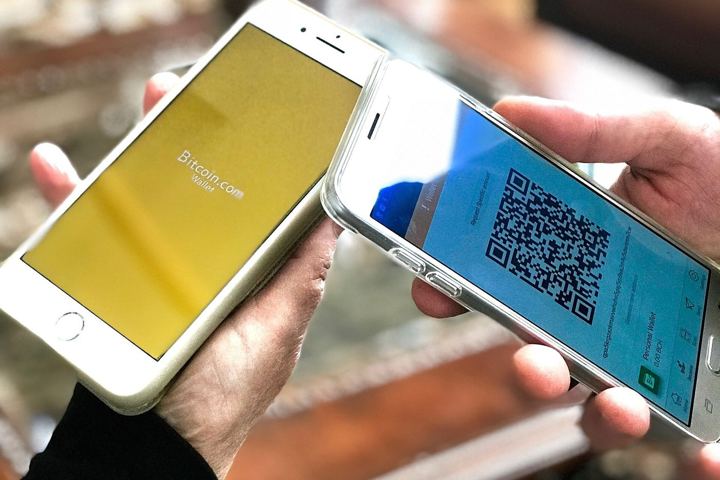
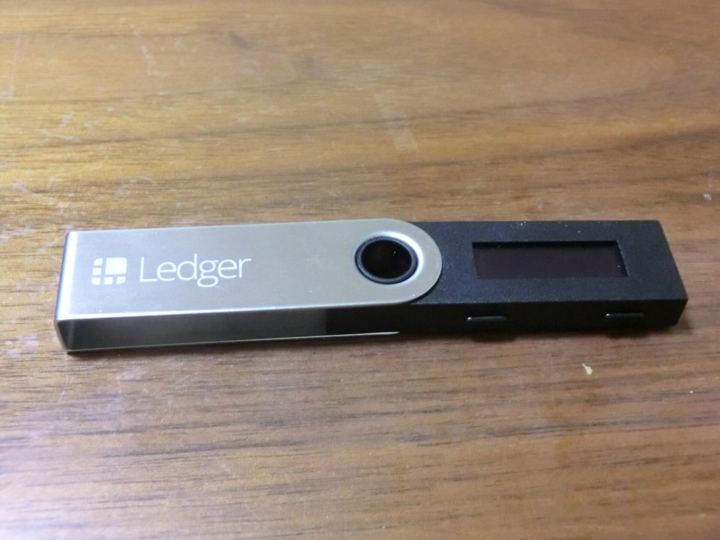
Wallets shape user joy or pain. Self-custody gives users full control. They hold the keys. Great for power users. Custodial wallets hold keys for the user. This cuts setup time. It also adds a duty to protect data and funds. A smart path is “start custodial, allow export to self-custody later.” If you are new to this, compare custodial vs self-custody basics here. Also add passkey login and social recovery. Few guests will learn seed phrases on day one.
Chain choice is a trade. You want low fees and fast finality. You also want a large wallet base and easy tools. For EVM reach and tiny fees, see Polygon docs. If you want high speed and low cost in a non‑EVM stack, read the Solana performance characteristics. Your pick should match your team skills and partner stack. Cross-chain bridges are nice, but they add risk and support load. Start simple, then branch out.
UX traps exist. Users lose seed phrases. Phishing links steal perks. Fees can shock a first-time player. Fix this with fee sponsorship (you pay gas), clear in-app warnings, and no-bridge pilots for MVP. Show a “refund rule” for failed mints. Put support links near the claim button. Test claim flow on poor Wi‑Fi. Make it work on old phones. Ship in small waves. Learn, then scale.
Law, risk, and reputation
Gambling has rules. They are strict for a reason. Check KYC and AML guides first. Read the UK Gambling Commission advice if you target the UK. Check the FATF guidance on virtual assets for global anti‑money‑laundering best practice. Geo‑block where needed. Add ad disclaimers. Do not frame NFT perks as cash if they are not cash.
Protect people. Put safe play tools next to perks. Add spend limits. Add cool‑off. Link to help. See responsible gambling resources from GamCare for a starter pack. Make sure all age gates are strict. For soulbound status tokens, do not leak more data than needed. Use hashes or zero‑knowledge proofs when you can.
Taxes and books matter too. Some perks may be a form of income or a discount. Ask a local tax pro. In the US, check IRS digital assets guidance. Write clean rules. Explain if a perk can expire. Show how you value it. Keep logs. You will thank yourself in audit season.
Pitfalls, illusions, and fixes
Fake growth is easy. A big free drop brings bots. They farm perks. They dump them. Real users see a junk market and leave. Fight this from day one. Use allowlists tied to KYC. Use device checks. Use basic proof‑of‑person tools like Gitcoin Passport to score risk. Rate‑limit claims. Track abuse. Block repeat bad actors.
Watch the right numbers. On‑chain redemption rate shows true use. Cross‑venue repeat play shows if “portable” works. Churn among users with status NFTs shows if the badge adds stickiness. Fee share per claim shows if you priced gas right. Look past vanity stats. Your goal is a clean loop: play → claim → share → return.
UX still wins the day. Sponsor gas for key actions. Keep claim steps under one minute. Drop perks by segment, not at random. High‑value guests get calm, reliable rewards. New guests get clear, cheap perks that teach the flow. Use plain text, large taps, and fast support.
Chains and choices, at a glance
Before the table, note this: mass brands have tested Web3 loyalty already. See Starbucks’ pilot, called Odyssey, for a simple lens on goals and trade‑offs in real life. Here is the official Starbucks Odyssey overview.
| Polygon PoS | Very low (fractions of a cent) | ~2–3 sec | ERC‑721 / ERC‑1155 | EVM tools, broad wallet reach, easy dev hire | Busy at peak; bridge UX can confuse | MetaMask, Coinbase Wallet |
| Solana | Very low | Sub‑second blocks | SPL NFTs | High throughput, cheap mints at scale | Different stack; RPC quality varies | Phantom, Solflare |
| Immutable zkEVM | Low (often gasless for users) | Fast (ZK rollup) | ERC‑721 / ERC‑1155 | Gas sponsorship, gaming focus, SDKs | Ecosystem still growing | MetaMask, Sequence |
| Base (L2) | Low | Quick L2 finality | ERC‑721 / ERC‑1155 | Coinbase tie‑ins, EVM support | L1 withdrawal delay; educate users | MetaMask, Coinbase Wallet |
How to pick a casino that will not lock your rewards
Players first. Your time is worth a lot. Ask these simple checks before you sign up:
- Is the reward in my wallet, or only on their site? On‑chain is best for travel.
- Can I use a common wallet (MetaMask, Phantom), or only a custom one?
- Are smart contracts public? Can I read the rules on mint and burn?
- Do they sponsor gas for basic claims?
- Do they link to safe play tools and set an age gate?
- Is there a clear refunds and support policy for failed claims?
If you want a vetted place to start, look for simple, human tests and clear screenshots. You can also use an independent, Spanish‑language guide to welcome offers. Here is one we trust for clarity and due checks on wallet UX and T&Cs: bono bienvenida casino. It lists offers, but it also explains the rules and risk. Use it to compare, then make your own call. Always play within your limits.
Build notes: a 7‑step playbook for operators
Here is a lean path. It keeps cost in check and cuts risk.
- Scope the goal. Pick one travel perk and one status badge. Keep it small. Define success in numbers (redemption rate, repeat visits).
- Choose your chain. Match your team skills, fee plan, and wallet reach. Polygon or Base if you want EVM comfort; Solana if you want speed and can support a new stack.
- Pick token types. ERC‑1155 for coupons in batches. ERC‑721 for VIP status. Soulbound for KYC pass or age flag.
- Wallet plan. Start custodial for new users. Let users export to self‑custody when ready. Add passkey login and social recovery.
- Compliance. Tie claims to KYC where needed. Add geo blocks. Prepare AML checks. Align with UKGC, FATF, or your local rules. Keep PII off‑chain. Use hashes.
- Ship your MVP. Sponsor gas. Cap costs. Run a two‑venue pilot. Collect feedback. Fix text. Shorten steps. Aim for one‑minute claims on 3G.
- Audit and monitor. Use a standard smart contract security checklist. Add bug bounties. Log all mints, burns, and failures. Set alerts for odd spikes.
Costs and time. A focused MVP can launch in 8–12 weeks if your legal team is fast. Budget for audits, fee sponsorship, KYC, and support training. Do not skip user tests. Real users kill bad flows in one hour.
The road ahead
What comes next? Loyalty will form coalitions. Your room key may unlock perks at a partner bar. Your badge may cut wait time at a show. Bridges will grow safer over time. Zero‑knowledge tools will let you prove “I am over 21” without showing your name. If this space does it right, on‑chain rewards will not feel like “crypto.” They will feel like good service that just works. For a simple read on proof tech, see Ethereum’s page on zero‑knowledge proofs.
FAQ
Are NFT casino rewards legal to trade?
It depends on where you live and on the token terms. Some perks are like coupons and can move. Some are soulbound and cannot. Check local law and the site rules.
Do I need a crypto wallet to claim on‑chain rewards?
Most sites offer a custodial wallet. You can claim with just an email. Later, you can export to a self‑custody wallet if you want full control.
What happens if I lose my wallet?
With a custodial wallet, you can recover with ID checks. With self‑custody, loss can be final. Use passkeys or social recovery. Store backups with care.
Can NFTs replace comp points?
Often a hybrid is best. Keep points for fine‑grained math. Use NFTs for perks, status, and cross‑venue travel.
Which chains are best for low‑fee reward mints?
Polygon, Base, and Solana have low fees and fast finality. Check the table above and pick what fits your team and users.
Do NFT rewards increase gambling risk?
They should not. Perks should not push unsafe play. Add limits, cool‑off, and clear help links. Put player health first.
Disclaimers: This is not legal, tax, or financial advice. Gambling has age limits (18+ or 21+, by law). Know your local rules. Play responsibly. If you need help, see resources like GamCare or your local support line.