Web3 & Gaming · Partner content
Lightning Network for Instant Bets: Pros, Cons, and Adoption
Last updated: July 28, 2026 • Author: Alex Moran, Payments PM (ex-crypto ops). This is not financial advice. 18+ only. Please gamble responsibly.
Cold open
You are watching live odds move. The clock runs. You need funds now or you miss the number. You scan a code, hit pay, and the balance shows up in seconds. No pending. No “please wait.” The bet is on.
That is the promise of the Lightning Network for betting. It cuts out long waits, high fees, and chargeback drama. But to make this work in the real world, both users and sportsbooks must know the trade‑offs. This guide shows the good, the tricky, and how to ship it right.
Snapshot: the rails we compare
We look at Lightning, on‑chain Bitcoin, cards/ACH, and custodial wallet transfers. We care about one thing most: how fast the money is ready to use. We also note fees, KYC friction, risk of chargebacks, and the work an operator must do. A full table sits below; keep it in mind as we go.
Field notes: a quick hands‑on test
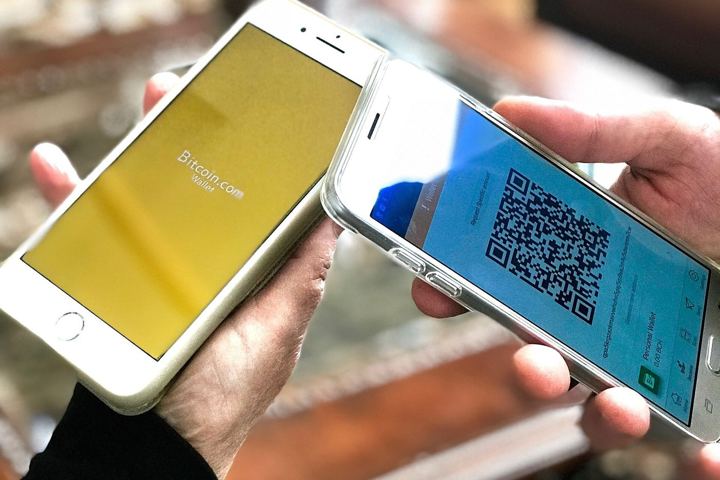
We loaded a Lightning wallet with $20. We paid a small BOLT11 invoice at a test merchant. We timed it. The payment cleared in under three seconds. The fee was less than a cent. UX was simple: open app, scan, confirm. One try. No retry.
Limits do exist. If a route lacks funds, the app may fail and try another path. Some wallets hide that. Some show an error. We will explain why that happens and how to reduce it. These notes shape the checklists later in this piece.
How Lightning actually moves money (plain English)
Lightning is a network on top of Bitcoin. Two peers open a channel on the Bitcoin chain. Inside that channel, they can move small payments back and forth. It feels instant because those moves do not wait for a block. If you want a quick visual on the basics, see this short explainer on how the Lightning Network works.
Payments jump across many channels from sender to receiver. Think of it like a path over small bridges. If one bridge has no room, the app finds another path. The rules and formats are set by open BOLT specifications. You will see terms like BOLT11 invoices (a string or QR with the amount and notes) and “preimage” (a secret that unlocks the funds at the end of the route).
You may also see LNURL and WebLN. LNURL helps you pull or push funds with human‑readable links, not just static invoices. WebLN lets a website talk to a Lightning wallet in your browser. If you build product flows, start with these docs: WebLN basics and an LNURL overview.
Note one more thing. To open or close a channel, you still pay a Bitcoin on‑chain fee. That is a one‑time cost to get set up or to settle out. Day to day, most traffic is off‑chain and cheap.
The upside for instant bets
Speed: payments clear in seconds. That helps with live bets and last‑minute deposits. Fees: often tiny, so micro‑deposits and micro‑payouts make sense. Reach: users who avoid cards or bank rails can still pay. For high‑velocity use cases like same‑game live props, this is a real edge.
Data from major operators and node firms point to near‑instant finality in normal routes and very low per‑payment fees. For a short primer, see these Lightning fee and speed characteristics.
For sportsbooks, fast payouts improve trust. A win paid in seconds feels good. That feeling helps retention. For users, it cuts the stress of waiting for a block or a manual review when the game is about to start.
The catches operators actually hit
Routing can fail when a path has not enough liquidity. This is rare for small sums, but it does happen. Good node setup and smart peers help a lot. Public tools like Amboss show live capacity and other stats; see network capacity and routing data.
On‑chain fees matter at the edges. When you open or refill channels during fee spikes, costs rise. Pick your time windows and batch. To see fee pressure right now, check the current Bitcoin fee environment.
Compliance is key. If you are a VASP or move funds for users, you may face KYC/AML rules and even the Travel Rule for some flows. The global bar is set by FATF. A good start is the FATF guidance for virtual asset service providers. Map this to your region with your legal team.
Privacy is better than card rails, but not perfect. Some data can leak by timing or channel graphs. Read this sober take: Privacy considerations in Lightning. Do not sell LN as “100% private.” Be clear and fair in your UX copy.
The table: which rails really feel instant for betting?
| Lightning (self‑custody) | ~1–5s | $0.01–$0.50 (often < $0.10) | Low on pay side; may be moderate at sportsbook | No chargebacks | High (keys with user) | Better than cards; not absolute | Routing/liquidity limits | Node + channel mgmt | See River, Amboss1,2 |
| Lightning (custodial via provider) | ~1–5s | $0–$1.00 (provider pricing) | Account KYC with provider | No chargebacks | Medium (provider holds) | Depends on provider | Provider downtime/limits | Low to medium (outsourced) | See OpenNode docs3 |
| On‑chain Bitcoin | ~10–60m (fee/traffic dependent) | $0.50–$20.00+ (spiky) | Low on pay side; sportsbook KYC varies | No chargebacks | High (self‑custody) | Better than cards; on‑chain public | Fee spikes, stuck tx | Address mgmt, mempool ops | See mempool fee view4 |
| Card (Visa/Mastercard) | Auth instant; finality days | $2.00–$5.00+ per $100 | High (KYC/AVS/3DS) | High (chargebacks) | Low (bank controls) | Low privacy | Chargebacks, fraud holds | Disputes, risk tools | Visa US interchange guide5 |
| ACH/SEPA | Hours to days | $0.10–$1.00 | Medium (account checks) | Medium (returns) | Low | Low privacy | NSF/returns | Bank file ops | NACHA ACH overview6 |
| Custodial wallet transfer (internal) | Instant inside same app | $0 | Account KYC with app | Reversible by app | Low (app holds) | Low privacy | App downtime/locks | Low (vendor handles) | Vendor T&C apply |
1: Lightning fee and speed primer: River Learn. 2: Public Lightning stats: Amboss; see also 1ML for network views. 3: Merchant docs: OpenNode. 4: Fee environment: mempool.space. 5: Card baseline fees: Visa US interchange. 6: ACH basics: NACHA. Sources: River, Amboss, 1ML, mempool.space, Visa, NACHA, OpenNode.
Integration playbook for sportsbooks
1) Choose your path: run a node or use a provider
Self‑host: You run a Lightning node, fund channels, and route. You keep control and can tune fees. Popular stacks are LND, Core Lightning, and Eclair. Start with the Core Lightning documentation to see what ops looks like.
Custodial provider: A vendor takes care of nodes and channels. You get simple APIs and dashboards. You pay a fee per payment or a percent. As an example of docs and flows, review OpenNode merchant docs.
2) Support the right UX pieces
Must‑have: BOLT11 invoices for deposits, LNURL‑withdraw for payouts, and support for Lightning Address if you want “email‑style” receives. Add WebLN to make one‑tap in browser. Give users a QR and also a copy‑paste string. Add clear timeouts and retry tips.
3) Booking and fraud controls
Map one invoice to one pending deposit. Hold the bet if the invoice expires. On payout, write limits per user, per hour, and per day. Use IP/GEO rules by market. For bonus abuse, score users who do many tiny deposits, then cash out fast without play.
4) Fee and liquidity model
Open channels when base chain fees are low. Refill (or “splice,” see below) during off‑peak. Spread channels across well‑connected peers. For fast payouts on big games, pre‑fund outbound liquidity. Track route fails and add peers where needed.
5) Infra and monitoring
Set up alerts on channel balance, HTLC fails, and node uptime. Run a watchtower or use a service. Keep hot keys safe. Have runbooks for force‑close events. Test your flows with small amounts daily.
Where Lightning fits in a real sportsbook funnel
New user: offer cards and Apple/Google Pay first. Put Lightning as “fast crypto” for users who know Bitcoin. In live bet flows, suggest Lightning for low wait and tiny amounts. For power users, enable auto‑withdraw to a saved Lightning Address after each win.
Ops view: start with Lightning payouts. That reduces support tickets on slow wins. Next, add Lightning deposits for limits under a set cap. Scale up once you trust the fail rates and UX.
How to pick a Lightning‑friendly sportsbook (consumer view)
Look for these points: clear fees, quick cashout rules, support for LNURL‑withdraw, and a public uptime record. Try a $5 test first. See if the site posts an invoice that expires too fast or gives errors with common wallets. Good sites show help text on fails and offer a second try path.
If you want a simple list that we keep up to date, check the Swiss Casino Guide gambling guide. It tracks sportsbooks with fast crypto payouts, notes on fees, and what wallets work best. It is a clean way to compare before you stake real money.
Compliance, risk, and responsible play
Do KYC by law and market. Keep AML screens on deposits and withdrawals. If you run cross‑border flows, review Travel Rule needs and data sharing. Build rate limits and cool‑offs in the wallet and in the bet flow. Always show 18+ and help links.
If you need support for safe play, visit Responsible gambling resources. Speed should not push users past their limits. Fast payouts can help trust, but they must live inside healthy rules.
What’s next: splicing, BOLT12, and stable payouts
Splicing lets you add or remove funds from a channel without a full close and reopen. That means fewer on‑chain moves and a smoother UX. For a clear guide, read Splicing explained.
BOLT12 “offers” aim to replace static invoices with a pull flow that does not need the payee to be online at the start. You can scan once and the wallet and node do the rest. See this BOLT12 offers overview.
Stable value on Lightning (via assets mapped to Bitcoin addresses) is a work in progress. Some projects explore it. It could help users who fear BTC price swings. For now, plan for BTC‑denominated flows and show fiat value at pay time.
FAQ
In most cases, yes. Payments land in seconds. If a route fails, the wallet retries. Big sums or weak routes may take longer or fail. Good wallets hide most of this.
For small to mid sums, usually yes. Many Lightning payments cost cents or less. Cards often cost a few dollars per $100. But Lightning has on‑chain fees to open/close channels, so plan those windows.
No. Lightning payments are final once sent. That is good for fraud control and bad if you make a mistake. Double‑check the invoice and the amount before you pay.
The payment does not go through, and your wallet keeps the funds. It may try another route. If it keeps failing, wait or try a smaller amount.
Many wallets do not ask KYC for you to send. But most sportsbooks do KYC for deposits and withdrawals by law. Expect checks at the sportsbook side.
It is more private than cards, but not fully private. Timing and routing can leak hints. Use trusted wallets and keep your device safe.
Pick a wallet with clear UI, good reviews, and strong backup tools. Try small first. Make sure it supports BOLT11 and LNURL. If you prefer less setup, a custodial wallet can be a start, but know the custody risk.
Methodology and editorial notes
- We ran a small payment test with a mainstream mobile Lightning wallet and a public test merchant. Results vary by wallet, route, and amount.
- We linked to open standards, public fee charts, and network stats. All links were live at publish time.
- This guide targets both product teams and savvy bettors. We keep language simple by design.
Sources and further reading
- How the Lightning Network works
- BOLT specifications
- WebLN basics
- LNURL overview
- Lightning fee and speed characteristics
- Public Lightning network stats
- 1ML network explorer
- Bitcoin fee environment
- FATF Recommendation 16 (Travel Rule)
- Lightning privacy: risks and trade‑offs
- Core Lightning documentation
- OpenNode merchant docs
- Responsible gambling resources
- Splicing explained
- BOLT12 offers overview
- Visa US interchange (baseline card fees)
- NACHA ACH network overview
Author
Alex Moran is a payments product manager and former crypto ops lead. Alex has shipped wallet flows, built risk checks for payouts, and tested Lightning deposits and withdrawals across major wallets. Alex writes about fast, safe money movement for betting and gaming.
Disclosure: This article is informational. It is not legal, tax, or investment advice. Betting is 18+ (or legal age in your region). Please set limits and play responsibly.