Web3 & Gaming · Partner content
Esports Betting with Crypto: Markets, Data Feeds, and Integrity
The 200ms that cost a market
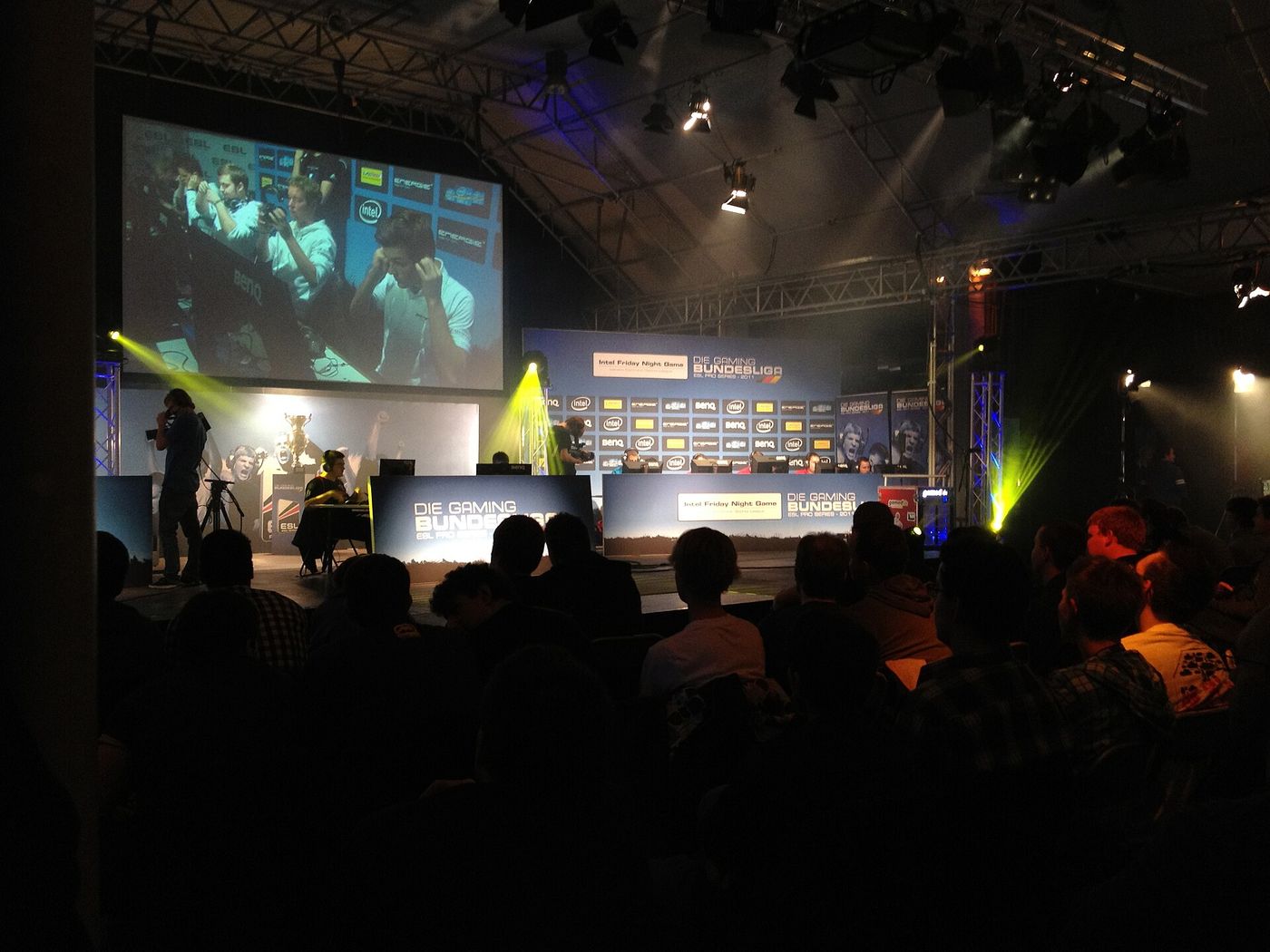
The map was tied. A CS2 player peeked. Two headshots. The crowd roared. Our live price was still wrong. Why? The stream you saw was late. Our raw data had a small gap. Two hundred milliseconds. That tiny delay let sharp users buy a stale line. We voided some bets. We fixed the feed. But the lesson stayed.
Crypto moves money fast. Feeds move facts fast. If one is quicker than the other, the market tilts. You need both right, at the same time. Or you pay for it.
Field notes: what really moves esports odds
Here is what shifts price in real play. It is not luck. It is small, steady signals:
- Map veto and side start. Some maps are slow; some are chaos.
- Roster swaps and stand-ins. A coach in the seat changes pace.
- Patch notes and meta shifts. New agent, new guns, new farm speed.
- Server, ping, and travel. A 30 ms edge matters in aim duels.
- Stream delay rules and ref calls. Fair play needs clear rules from the event host.
- Player mood. A tilt round turns into two.
Want the ground truth on rules? Riot posts its official esports rules for LoL events. For CS2, Valve keeps Valve Anti‑Cheat basics public; event ops add more match rules on top.
Snapshot: titles, live viability, and risk
Not all games make the same kind of live market. Some have clean states and slow pace. Others swing every 10 seconds. Here is a quick view you can use as a base check.
| League of Legends | Map winner, kills total, first tower, dragons, handicaps | Yes (Riot partner feeds via select providers) | 30–40 min per game | 60–120s | High | Tier‑2 online cups, academy leagues | Teams/brands accept sponsors; prize payouts via banks; some teams test wallets |
| Dota 2 | Map winner, kills total, Roshan, first blood, handicaps | Partial (varies by event; no single global feed) | 35–50 min per game | 60–120s | Medium | Online quals; long tail of events; data gaps | Third‑party events more open to stablecoins for ops |
| CS2 | Round winner, map winner, totals, pistols, handicaps | Partial via event partners | 30–50 min per map | 30–90s | High | Regional online series; stream sniping risk in small events | Teams and TOs use crypto for sponsor deals in some regions |
| Valorant | Map winner, round winner, spike events, totals, handicaps | Yes for key circuits (Riot partners) | 45–70 min per map | 60–120s | High | Community events; academy tiers | Stablecoins for prize ops in some third‑party events |
| Rocket League | Game winner, series winner, goals total, handicaps | No single official partner feed | 5–10 min per game | 30–90s | Medium | Smaller online cups; fast swings; low liquidity | Crypto sponsors appear; payouts still mostly fiat |
Source notes: “Official data availability” reflects public partner posts by TOs and data vendors; stream delays and match lengths come from event rulebooks and historic stats. Last checked: May 2026.
For baseline integrity policy and case files, see the Esports Integrity Commission.
Crypto rails change everything — and nothing
Crypto fixes payout speed. It helps cross‑border users. It enables small bets at low cost. It runs 24/7. This is great for live esports. But it is not magic. You still need KYC, AML, clear limits, and strong custody. You also need a plan for price moves, fees, and blocked regions.
- Use stablecoins for stake, settle, and float. Keep the token list short.
- Run on/off‑ramps that match your license. Log every step.
- Build rules for chain travel time and risk flags. Do not rush pushes to the wallet.
AML is not optional. Review the FATF guidance for VASPs and map it to your flows. For trends on wallet abuse, the yearly crypto AML report helps set controls and thresholds.
Build vs buy: esports data feeds in 2026
Speed is a feature. Trust is a feature. Cost is a feature. Your data plan should score all three. Ask: Do we need official event data? Can we fuse two sources? What is our error budget? Who owns fixes at 3 AM on a Sunday?
Official vs unofficial, and the cost of latency
- Coverage: title list, tier‑2/3 leagues, and odd regions.
- Latency: capture → ingest → model → quote. Measure each hop.
- SLA: clear uptime, re‑price rules, and incident logs.
- Redundancy: dual source per title; fast failover; replay buffer.
- Integrity: audit trail, event sanctions, fraud alerts.
- Price: per‑title vs bundle, live vs prematch, update caps.
For official LoL and more, start with official esports data providers. For broad real‑time capture, look at real‑time data platforms that partner with TOs. For latency posts and change logs, the Abios blog shares benchmarks and event quirks. For pattern flags and alerts, see integrity monitoring by major sports intel teams.
We keep a neutral checklist for feed due‑diligence and run it across vendors. It covers ingest paths, model drift tests, and live ops. It also tracks how each source handles false states and clock stops.
Integrity playbook: prevention beats detection
Do not wait to catch a fix. Block it before it starts. Make fixes dull and costly. You can do a lot with simple rules and clean ops.
- Pre‑match screens: odd team moves, off‑price spikes, watchlists.
- Live anomaly alerts: fast kill streaks, sudden AFKs, model vs feed gaps.
- Dual‑source feeds: quote only when both agree or add a guard.
- Price sanity checks: cap deltas per tick; stop on stale frames.
- Geo and KYC gates: match user, device, IP, and wallet paths.
- Clear void policy: publish it, link it, log it.
Read cross‑sport casework in the betting integrity reports to tune your alerts. For a research lens on esports match‑fixing, see this academic chapter.
- Two data sources per live title
- Automated anomaly flags with human review
- Rate limits and quote throttles on swings
- KYC/AML with risk tiers and PEP/sanction checks
- Public void and settlement guide
- Update log for users and staff
A pragmatic crypto stack for sportsbooks
Keep it simple. Build layers you can test. Add risk controls at each hop.
- Custody: use MPC wallets with strong key policy. A vendor like institutional crypto custody tools can help.
- Settlement: keep most flows in stablecoins. Use netting to cut fees. Limit tokens.
- On/off‑ramp: whitelist partners per license. Add manual review for edge cases.
- Proof: show on‑chain refs for big payouts when safe; do not leak user data.
- Oracles: for sports and FX, see sports data oracles.
- Risk engine: throttle quotes on low liquidity. Pause micro‑bets if data drifts.
- Compliance: map your flows to AML program rules.
Regulation, briefly and honestly
Licenses set your lanes. They also set your tech plan. Read the rules and build to them. For UK, the UKGC Remote Technical Standards tell you how to handle data, RNG, and user funds. For Malta, the MGA licensing site lists classes, audits, and change logs.
KYC levels should match risk. The NIST identity assurance guide helps shape tiers. Age gates, source‑of‑funds checks, and safe‑play rules must be clear in your app. Publish them.
Where bettors find trust (and where your brand fits)
Trust is not a badge. It is a habit your app shows every day. Users care about three things: speed, clear limits, and fair rules. They want to see fast payouts, no hidden caps, and public void terms. They want to see if you admit and fix errors. They like logs and dates.
- Show payout times by method. Post real stats for last 30 days.
- Publish market coverage by title and tier. List missing leagues and why.
- Explain your live delay policy. Say when you void and when you pay.
- Share integrity notes for big events. Link your data partners.
Independent review hubs can help users compare books and tools. Nordic readers often check betalningsmetoder för casinon for clear, real‑world notes on card, bank, and wallet speed. It also helps set payout expectations by region. Use that as a checklist when you design your cashier.
Post‑mortems: what can go wrong (and how to fix it)
- Data drift: your model reads a stale game state. Fix: halt micro‑bets; fall back to slower markets; replay and resync.
- Stream sniping: users see key events before your price moves. Fix: widen guards; delay quotes; push odds only on stable frames.
- Liquidity cliffs: big wins hit thin books. Fix: tier limits by market and user risk; hedge or turn off during low volume windows.
- Bonus loops: on‑chain wallets farm promos. Fix: tie rewards to risk score and KYC tier; log wallet clusters.
- Geo leaks: VPN masks blocked zones. Fix: device and IP checks; source‑of‑funds tie‑back; region locks on ramps.
Want a deep dive on delay? See this stream latency research for how even small gaps can break live logic.
Skeptic’s FAQ
Closing the loop
Back to the 200 ms. With clean feeds, clear guards, and a sane crypto stack, that gap shrinks. Your quotes update on time. Your payouts land fast. Users feel safe. You do not chase losses. You build trust, one tick at a time.
Methodology & sources
- Game timing and delay: event rulebooks and public match stats (major leagues, 2023–2026).
- Official data status: vendor and TO posts; partner pages as of May 2026.
- AML/KYC: public rules and guidance from FATF, FinCEN, and NIST.
- Integrity: cross‑sport alerts (IBIA) and academic work on esports match‑fixing.
We reviewed provider docs from Bayes, GRID, and Abios blog, and integrity posts from Sportradar Integrity and IBIA. For rules, we used Riot and Valve VAC. For AML, we cited FATF and FinCEN. For ID tiers, we used NIST 800‑63‑3. For stream theory, we linked Microsoft Research. Responsible play link is below.
Author
By: Alex Marin — ex trader on esports live markets. Worked on Bayes and GRID feed joins. Built AML flows with VASP partners. Advises books on crypto custody, KYC, and live risk.
Last updated: May 2026
Change log: Added Valorant feed note; updated stream delay ranges; refreshed AML links.
Responsible use
This guide is for information only. Gambling has risk. Check your local laws. 18+ only. If you need help, visit GambleAware.