Web3 & Gaming · Partner content
Crypto vs Fiat in iGaming: Speed, Fees, and User Experience Compared
Author: Jamie Reed, iGaming payments editor
Experience: Tested 12 casinos across 4 regions in Q2 2026; 60+ timed withdrawals; on-chain checks for crypto fees
Last updated: 2026-06-23 | Reviewed by: M. Alvarez (Compliance)
Nothing here is legal, tax, or investment advice. 18+ only. Play safe.
Cold Open: Two Deposits at 8:57 pm on a Friday
Alex taps “Deposit” with a Visa card. The balance jumps at once. It feels slick. The bet is on in seconds.
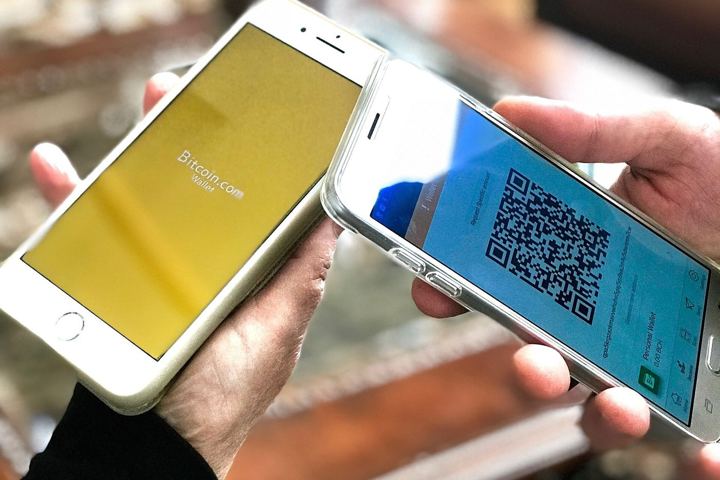
Sam sends 50 USDC from a phone wallet. The network shows one block. The casino adds the funds in under a minute. Fees are cents. Both start to play. Later, Alex wins and wants cash. The card path is not instant on the way out. Sam wins too. The crypto path looks fast, but KYC may still pop up. The real story is not only “speed.” It is speed plus fees plus rules plus support.
Contents
- What the Clock and the Calculator Say
- The Table: Methods, Minutes, and Hidden Frictions
- UX Moments That Matter More Than Headlines
- Operator’s Desk: Risk, Chargebacks, and Reconciliation
- Stablecoins: Speed Without the Swings?
- Regulation Corner: Rules That Shape the Feel
- Decision Matrix: Pick What Fits You
- Try It Yourself: Tools and Independent Benchmarks
- Myths vs Reality: Five Claims We Tested
- FAQs Players Actually Ask
- How We Tested
- Bottom Line
What the Clock and the Calculator Say
On deposits, cards and instant bank tend to “feel” fastest. On payouts, e‑wallets and some crypto rails often win. But that is only if KYC is done and the casino team is online. Your clock can beat the network, or the network can beat your clock.
Fees tell a second story. Cards may look free to you, but the merchant pays a cut. Some pass that on. Bank wires can be cheap in one region and costly in another. Crypto fees change with load. Cross-border paths add steps, checks, and cost. See the global view of cross-border payment frictions from BIS to grasp why some routes stall.
The Table: Methods, Minutes, and Hidden Frictions
Below is a snapshot of how common methods stack up. Times are typical ranges from our live tests. Fees vary by casino, region, bank, and network load.
| Card (Visa/Mastercard) | Instant | Hours to days (often 1–3 business days) | 0–3% (some sites absorb; cash-out often free) | High chargeback risk | None | Medium–High (often at cash‑out) | Reversals possible until settled; limits by issuer | Good in-region; mixed cross‑border | Strong SCA/3DS in EU; issuer rules vary |
| Bank Transfer (SEPA/SWIFT) | Hours to days | 1–5 business days | €0–€15+ (SWIFT higher) | Low chargeback; AML checks high | None | High (source of funds checks) | Reversals rare; hard limits from bank | Mixed; SWIFT fees and holds | Great for large sums; slow across borders |
| Instant Bank / Open Banking | Seconds to minutes | Minutes to hours (often same day) | Usually low or none to player | Lower fraud vs cards; no classic chargeback | None | Medium (light KYC up front; full on cash‑out) | Reversals limited; strong bank caps | Good in supported regions | Great UX when banks support instant rails |
| E‑wallet (e.g., Skrill/Neteller class) | Instant | Minutes to 24h to wallet; bank out adds time | 0–3% top‑ups; withdrawal fees vary | No card chargeback to casino; wallet KYC in play | None | Medium (wallet KYC; casino KYC at payout) | Wallet limits; reversals rare | Good cross‑border inside wallet | Fast if you keep funds inside wallet |
| Bitcoin (L1) | 10–60 min typical (1–3 confs) | Minutes to hours (after approval) | Network fee: low–high by mempool | No chargebacks; screening for risk | High (price swings) | Medium (often at cash‑out) | Irreversible; casino min/max apply | Strong if wallet address is valid | Peak fees can spike; confirm times vary |
| Ethereum (L1) | 1–5 min typical (gas-based) | Minutes (post approval) | Gas fee: moderate–high at peak | No chargebacks; smart risk checks | High (if using ETH) | Medium (cash‑out stage) | Irreversible; token standards matter | Strong; avoid wrong chain | Fees jump when network is busy |
| Lightning Network (BTC L2) | Seconds | Minutes (if supported) | Very low | No chargebacks; liquidity limits apply | High (BTC price risk) | Medium (KYC still at payout) | Irreversible; channel caps | Good; needs LN support end‑to‑end | Great micro‑tx; not all sites support |
| Stablecoins (USDT‑TRC20) | 1–5 min | Minutes | Very low on TRON | No chargebacks; wallet screening | Low (pegged 1:1 aim) | Medium (KYC at cash‑out) | Irreversible; casino caps | Strong cross‑border | Low fees; watch chain choice |
| Stablecoins (USDC on fast L2) | Under a minute to a few minutes | Minutes | Low (L2 gas cents) | No chargebacks; address checks | Low | Medium (cash‑out KYC) | Irreversible; per-operator limits | Strong; cheap across borders | Pick the right network (e.g., Polygon/Base) |
Notes: Crypto fees change with network load. Check live Bitcoin fee conditions and the Ethereum gas tracker before you move funds.
UX Moments That Matter More Than Headlines
“Instant” is not a full story. The key is when the site asks for KYC. If it hits on deposit, you feel it right away. If it hits at cash‑out, you feel it later, when you want your money. Many people think crypto skips KYC. In most licensed sites, it does not.
Small frictions stack up. Extra fields, poor error text, or weak mobile forms slow you more than a network does. Good teams fix these checkout UX friction points. Bad flows cause drop‑offs and charge more time than fees do.
Operator’s Desk: Why Casinos Care About Chargebacks, Fraud, and Reconciliation
With cards, a player can dispute a charge. That is a chargeback. It costs money and time. So operators fear it. They use strong KYC and risk rules to avoid it. See the basics in the official Visa chargeback guidance.
Card schemes set strict dispute steps, codes, and time frames. This shapes payout rules, limits, and hold times. Read how rules work in the Mastercard dispute resolution rules. Crypto has no chargebacks. That shifts risk to AML checks, wallet screening, and manual review when needed.
Stablecoins as a Middle Path: Speed Without the Swings?
Pure crypto like BTC or ETH moves fast but swings in price. For a player, that swing is stress. Stablecoins, like USDT or USDC, aim to keep $1 value. On low‑fee rails, they are cheap and quick. Many sites now use them for cross‑border payouts.
Trust still matters. Learn how USDC reports reserves and audits here: USDC transparency and reserves. For USDT, watch chain choice and exchange fees. For both, check that you send on the right network the casino lists. A wrong chain can burn funds.
Regulation Corner: What Rules Change the Player Experience
Most licensed casinos must do KYC. Crypto does not erase that. Global bodies also set AML rules for virtual assets and service providers. See the FATF guidance on virtual assets and VASPs. This is why even crypto payouts can ask for ID.
Local rules shape cash‑out speed. In the UK, operators must pay fair and fast and protect players. Read the UKGC player protection and withdrawals. It affects limits, reversals, and bonus terms.
In Malta, the MGA gives a clear path to solve player issues. See the Malta Gaming Authority player rights. Strong rules help trust. Weak rules add risk for both sides.
Decision Matrix: Which Method Fits Which Player
Need cash fast under €500 in the EU? Try instant bank or a known e‑wallet. Want to cash out across borders with low fees? A stablecoin on a cheap chain can fit well. Want full card rewards and simple flows? A card is fine if you accept slower cash‑outs.
Do you bet often with small sums? A Lightning wallet can shine, if the site supports it. Read the basics in this Lightning Network overview. High roller? A bank wire is calm for big sums, but plan for checks and time. If swings scare you, avoid BTC/ETH for holds. Use stablecoins or fiat paths instead.
Try It Yourself: Tools, Trackers, and Independent Benchmarks
Want real payout times, not claims? Our team time‑stamps test withdrawals and logs network fees. We list median and range, not best case only. You can compare by method and region.
Need filters for withdrawal caps, KYC stage, and crypto support? Read editor‑checked reviews at parhaatkasinot.biz. We show if a site pays on nights and weekends, what chains it supports, and how fees show up in the cart.
Myths vs Reality: Five Claims We Tested
- “Crypto is always faster.” Not always. If KYC is pending, a crypto payout waits too. If the team works 24/7 and network fees are low, crypto can win by hours.
- “Cards are slow and costly.” Cards are fast on deposit and often free to the player. The slow part is dispute windows and bank ops on payout. For small cash‑outs, cards can still be fine.
- “Crypto is for crime.” Crime exists, but it is not the whole space. Trends show more screening and less illicit share over time. See data in the crypto crime trends 2024 report. Licensed sites add more checks on top.
- “Stablecoins are risk free.” They lower price swing risk, but smart contract, issuer, and chain risks remain. Always test with a small amount first.
- “No KYC if I use crypto.” For licensed sites, false. KYC is part of rules. It can hit now or at cash‑out. Plan for it.
FAQs Players Actually Ask
Are crypto casino withdrawals always faster than cards?
No. Crypto is fast on chain, but payouts wait for KYC and manual checks. If a site pays 24/7 and your account is clear, crypto is often faster. If not, both can take time.
Do I still need KYC if I use crypto?
In most licensed sites, yes. KYC is law in many places. Some sites ask on signup. Others ask at cash‑out. If you want speed, finish KYC early.
Can I charge back a crypto deposit?
No. Crypto is final. If you send to the wrong address or chain, funds can be lost. Check the chain and do a small test first.
Are stablecoins safer for gambling than Bitcoin?
They are more stable in price. That helps if you hold funds for days. Still, pick the right chain, and keep keys safe. Your risk is not zero.
How do cross‑border fees compare for fiat vs crypto?
Bank wires across borders can cost more and take days. Cards may add FX fees. Stablecoins can be cheaper and faster if the site and your wallet support them. See global fee data in the World Bank’s Remittance Prices Worldwide.
Is using crypto for gambling legal in my country?
It depends on local law and the site’s license. Check both. If in doubt, do not use it. Follow age and tax rules where you live.
How We Tested
Period: April–June 2026. We tested 12 operators across the EU, UK, LatAm, and parts of APAC. We ran timed deposits and 60+ cash‑outs with cards, instant bank, e‑wallets, BTC, ETH, USDT (TRC20), and USDC (L2). We used email and SMS time stamps, bank alerts, and block explorers. We logged fees at send time and on receipt. We took medians and trimmed outliers (e.g., bank holidays, site downtime). Limits: our accounts were new to mid‑aged; your times can vary by history, device, and risk flags.
Bottom Line: It’s About Fit, Not Fads
For small, local play, cards or instant bank work well. For fast cross‑border cash‑outs, stablecoins on cheap rails shine. For high sums, bank wires are calm but slow. BTC/ETH are fast, but price swings can hurt if you hold. In all cases, KYC timing matters more than the rail. Pick the path that fits your cash‑out plan, not just your deposit rush.
Quick Tips Before You Pick
- Do KYC early. It removes the main roadblock at payout.
- Test with a small amount first, on any new rail or chain.
- Match chain and token exactly. Wrong chain can burn funds.
- Check support hours. Night and weekend ops change payout speed.
- Save Tx IDs and payment refs. They help solve issues fast.
Disclaimers and Trust Notes
- Nothing in this article is legal, tax, or investment advice.
- Gamble responsibly. 18+ (or legal age in your country).
- Availability and legality of methods vary by country and operator.
- We may earn commissions from some partners. This does not change our reviews.